








March
2026

Thinking about adding goats to your hobby farm? That’s great! In this article, we speak with a goat expert about all the important topics, tips and advice to raising a happy, healthy herd.
“Baa!” The bleating of a hobby farm goat herd is cute and hard not to love. But if you’re new to raising goats, there’s a lot more to them than their sweet personalities.
To learn what it takes to get started, we talked with Lainey Morse, founder of the Original Goat Yoga.
“In 2015, I got my first two goats and fell absolutely in love with everything about them,” she says. “I bought the book, 'Goats for Dummies, ' and that was my crash course education! We went viral in 2016 when I started marketing a new thing called Goat Yoga, and we’ve been doing that for nearly 10 years now.”
With Lainey’s expertise and tips, you’ll learn everything you need to raise a healthy, happy herd on your hobby farm. We also dive into the business of Goat Yoga and how you can turn your love for goats into extra income on the homestead.
How to Choose the Right Goats for Your Hobby Farm
If you’re just starting out, Lainey recommends thinking about and deciding on what you plan to do before getting goats.
“Do you want them as meat, dairy, goatscaping or just pets?” she asks. “There are different breeds that will do better than others depending on the job you give them.
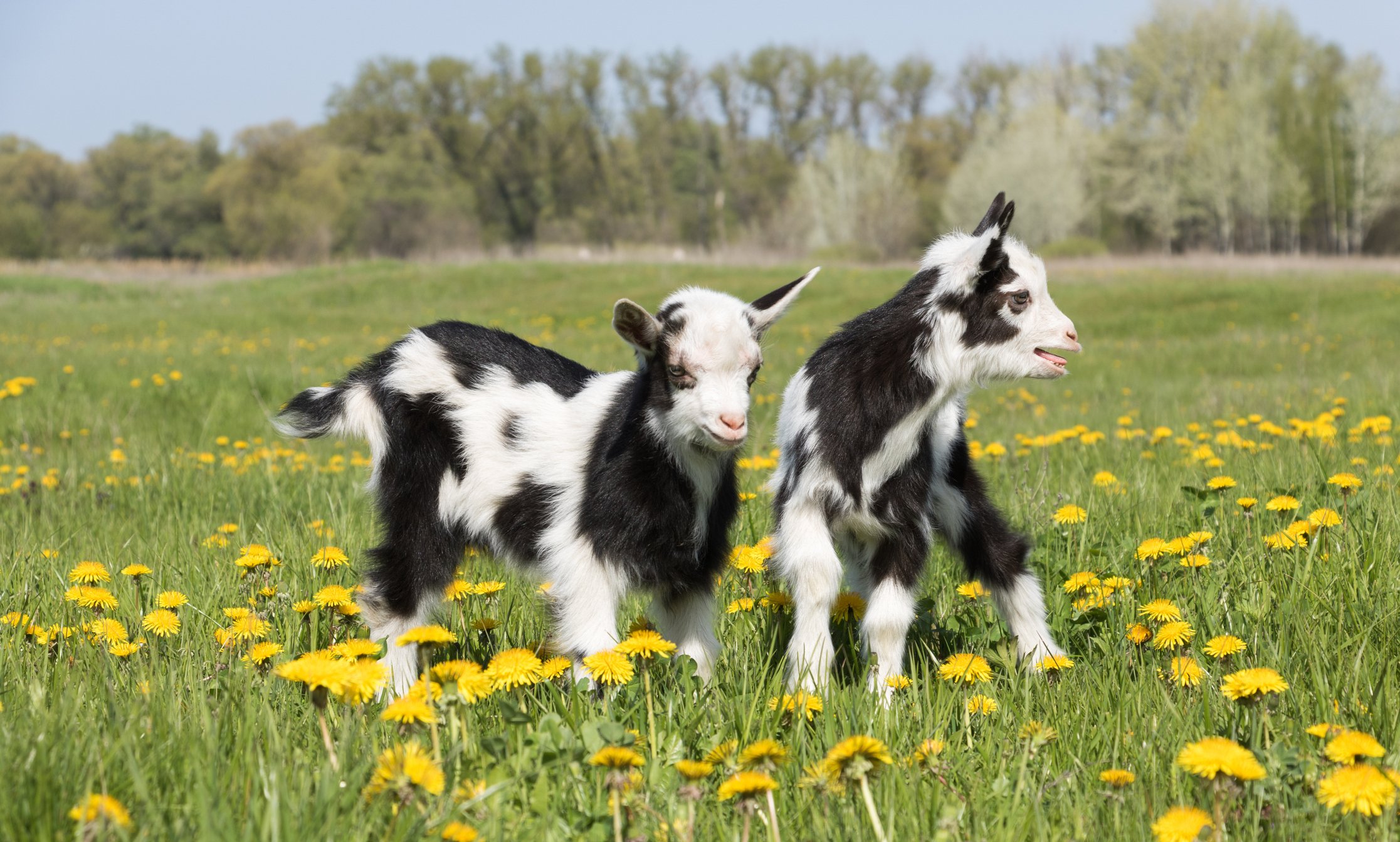
Different Goat Breeds Recommended for Hobby Farms
Nigerian Dwarf Goat (Dairy or Pet)
This small breed is a popular choice for homesteaders because they’re cute, friendly and are great milk producers.
They have short, coarse hair and come in many different colors (brown, black, white, etc.) and patterns. On average, Nigerian Dwarf goats reach about 40 to 80 pounds and stand about 22 inches tall at maturity.
An important note about Nigerian Dwarf goats: Although they are small, Nigerian Dwarfs are extremely agile and smart. It’s very important their fencing is high enough to prevent them from jumping over and escaping. Also, due to their smaller size, Nigerian Dwarfs are known to slip through holes or gaps in fencing.
Be sure to check out Mara’s experience raising Nigerian Dwarf goats in A Story of an Extremely Attached Goat.
Boer Goat (Meat or Pet)
If you’re looking to raise goats for meat on the hobby farm, consider the Boer goat breed. This goat is fast-growing, calm, friendly and provides a hardy meat source for homesteaders.
Typically, Boers have a white body and a reddish-brown head and ears.
At maturity, bucks reach about 200-350 pounds and stand about 30 inches tall. Does are typically smaller, reaching about 200-220 pounds, and tend to be a tad shorter.
Nubian (Dual-Purpose)
The Nubian goat breed is a multi-purpose – milk, meat or pet – well-known for its sweet, rich milk and calm, friendly personalities.
They come in all sizes and colors and have long, floppy ears and a distinctive “Roman nose,” meaning it is curved and almost “horse-like” in appearance.
When fully grown, Nubians stand about 30+ inches tall and weigh between 125 and 180 pounds.
Other goat breeds to consider include:
- Saanen
- LaMancha
- Alpine
Related reading: They've "Goat" it Good at This Florida Goat Farm
How Many Goats Should You Get for Your Hobby Farm?
Goats are herd animals, and according to Lainey, there should never be just one goat on a hobby farm.
“If that’s the case, you’ll have a very sad goat,” she adds. “I would start with three goats at a minimum, and then if something happens to one of them, you still have a bonded pair. Goats form clicks in the herd, too, so having at least a dozen is a solid foundation to a happy herd.”
If you’re planning to breed goats, you’ll also want to consider your buck-to-doe ratio. For a healthy herd, a 1:10 or 1:15 ratio is ideal, especially for young bucks. Mature bucks can manage more does, but on a hobby farm, try to stick with the 1:10 ratio.
Raising Goat Kids: A Few Things to Consider
Adopting a kid into the herd can be exciting, but there are a few things you should know to ensure the young goat stays safe, healthy and is successfully introduced into the herd.
“Young goats, or kids, require early care centered on warmth, cleanliness and colostrum intake, followed by a feeding plan of milk or replacer until weaning,” says Lainey. “Socialization with other goats is crucial for healthy development, along with a clean environment and enrichment like climbing structures to prevent boredom and promote physical and mental well-being.”
A few things to consider and plan on include:
- Slowly transition the kid from milk to solid foods. During this period, watch for any discomfort or stomach issues and address them immediately.
- Keep young goats separate from older, aggressive goats until they are old enough to begin introducing the kids to the herd.
- Provide the kid(s) with a safe, healthy living environment – one that is dry, draft-free, and warm (especially in the wintertime).
Goat Enclosures for Creating the Best Shelter and Space
For your goats to stay happy, safe and comfortable, they need a shelter that offers protection from the weather and predators.
Goat Shelter and Space Requirements
Typically, a three-sided shelter or barn works well for keeping goats warm and safe year-round. So long as the shelter protects them from the weather and is kept clean, your goats will have everything they need.
Lainey explains further: “The most important housing requirements for goats include a dry, well-ventilated, three-sided shelter with adequate space and absorbent bedding.”
For adequate space, plan to provide 15-20 sq. ft. per goat. This gives them enough room to stretch out and rest comfortably in their shelter.
“The shelter must also protect from wind, rain and sun, and fences should be at least 4-5 feet high to prevent escapes and contain predators,” Lainey adds.
For predator proofing, she says a sturdy fence and a secure, enclosed shelter are crucial, with options like woven wire or electric fencing, and that the yard be free of potential digging or climbing points for predators.
“I also highly suggest a Livestock Guardian Dog.”
What Do Goats Eat? Feeding Tips for Raising Healthy Goats
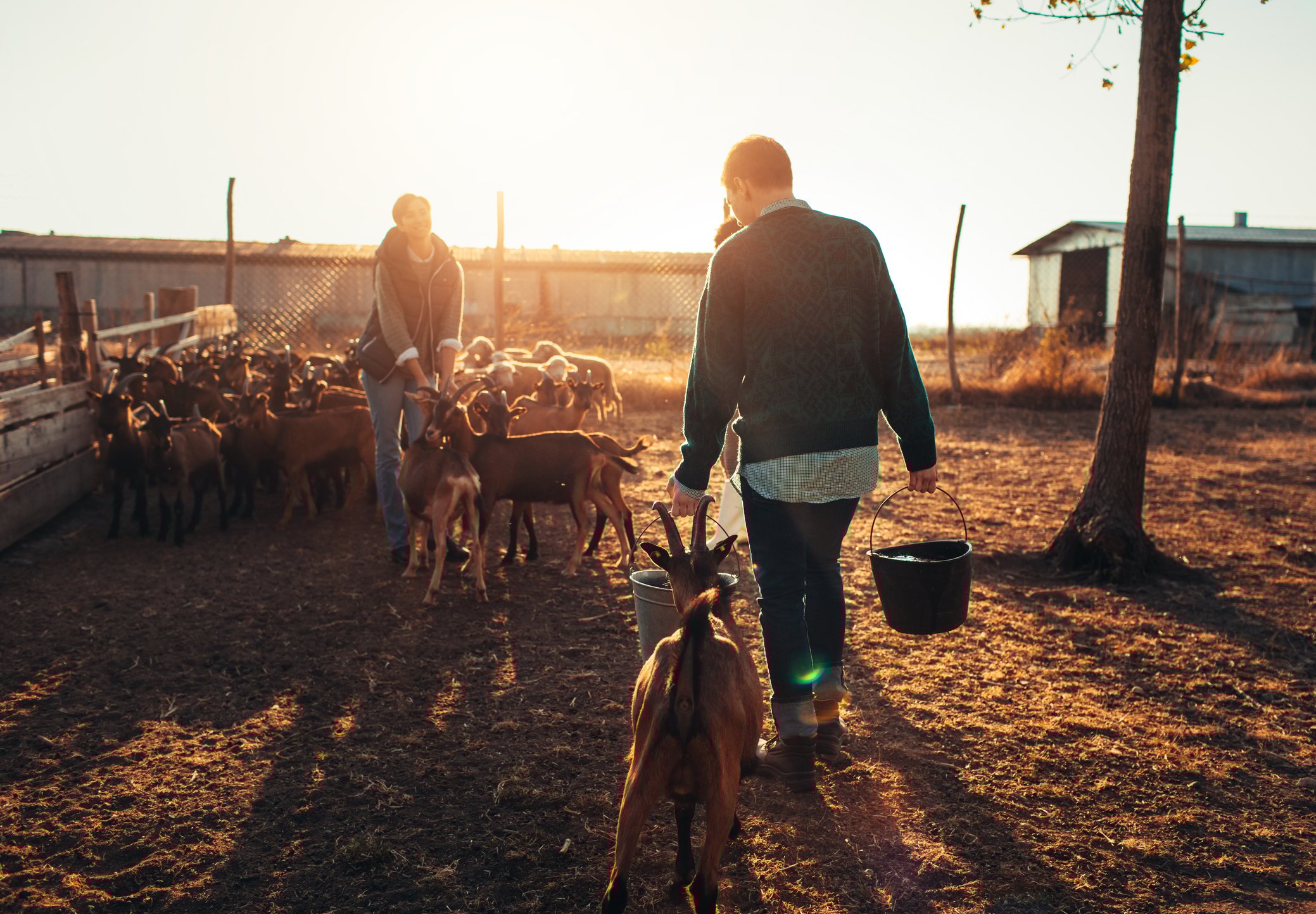
According to Lainey, nutritional needs shift depending on the stage of life your goats are in – from milk-only for newborns to high-protein for kids, and then to maintenance diets for adults, with increased needs for lactating or pregnant does.
A few things to note about feeding goats:
- Goats are susceptible to various health issues, so it’s important to keep their food and hay off the ground and in clean buckets or containers.
- Introduce new foods slowly and in moderation to prevent stomach upset.
- Avoid feeding your goats toxic foods like processed human treats, foods high in salt or sugar, and poisonous forage like azalea and cherry tree leaves.
For a well-rounded diet, you should feed your goats the following daily:
- A goat-specific grain feed
- Hay - either grass or alfalfa
- Access to natural forage
- A mineral or salt lick - look for a goat-specific block, which will include certain trace elements and minerals they need, like zinc and copper.
- Unlimited clean, fresh drinking water.
All of the above provide your herd with the right amount of nutrients and minerals for a happy, healthy life on the hobby farm.
Healthy Treats for Goats
In addition to their daily diet, goats can enjoy a variety of other foods and treats. The key is to offer them in moderation to avoid upset stomachs. For fruits and vegetables, be sure to cut them into small pieces to make chewing easier and help prevent choking.
Goats can enjoy treats, like:
- Small amounts of fruit: Safe options include apples (make sure there are no seeds!), bananas (including the peel), watermelon and blueberries.
- Vegetables: Goats enjoy carrots, cucumber, bell pepper and leafy greens like lettuce and spinach.
- Pumpkins & Pumpkin Seeds: The pumpkin seeds act as a natural dewormer.
- Black Oil Sunflower Seeds: These are great for nourishing their skin and coat.
- Rolled Oats
Foods to Avoid Feeding Goats
This section is very important!
Despite the common misconception, goats cannot (and should not) eat anything and everything.
Just like any other animal on the farm, there are several foods and natural forage you should avoid feeding your goats – some of which can be harmful and potentially poisonous or deadly.
Foods to avoid feeding goats include:
- Avocados, garlic and onions
- Nightshade vegetables like potatoes and tomatoes
- Poisonous plants and forage: This includes oak leaves, ferns, rhododendron, milkweed, cherry leaves, yew and poison hemlock.
- Citrus
- Processed foods, including breads, crackers, deli products, etc.
Keeping Goats Healthy & Clean on the Homestead
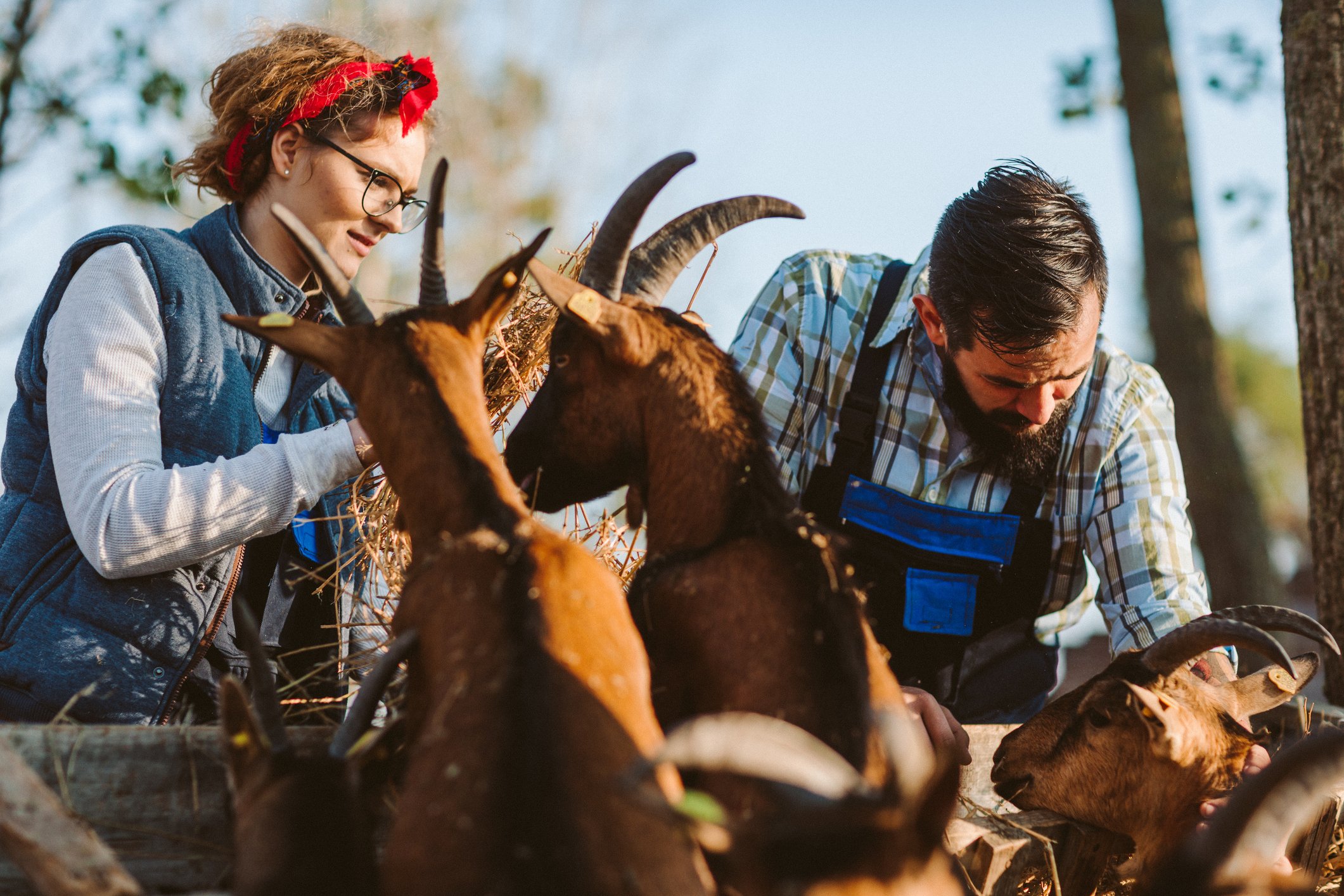
For proper year-round health, Lainey says routine care should be implemented and include a proactive approach to vaccinations, parasite management and hoof trimming.
This includes following a vaccination schedule, using a strategic parasite control plan with regular monitoring and performing hoof trims based on individual and herd needs.
“You can often find a mobile vet that will come to your farm and help if needed,” she says.
To do this, Lainey has a schedule she follows that divides tasks by frequency, like daily, weekly and monthly.
“We break down larger tasks into smaller steps and assign specific chores to certain days. Our mobile vet also keeps us organized by sending us reminders.”
Common Goat Health Issues to Watch For
Every goat owner should be prepared for common health issues, including internal parasites, respiratory infections and foot rot.
“Maintaining good hygiene, providing a balanced diet and implementing a quarantine period for new animals can help prevent many issues,” says Lainey. "Owners should keep a supply of dewormers and other veterinary medications on hand.”
Internal Parasites
Internal parasites are a common health issue in goats. The most common include nematodes, flukes, tapeworms and lungworms.
Signs that your goat(s) may have internal parasites include:
-
Diarrhea
- Weight loss or slow growth
- Anemia
- Hair or coat issues
- Bottle jaw
- Coughing or bacterial pneumonia (often associated with parasites like lungworm)
If you suspect internal parasites, the best course of action is to separate the infected goat(s) from the rest of the herd and consult your local veterinarian for proper diagnosis and treatment.
Respiratory Infections
Another common health issue to watch for is respiratory infections . These are often caused by bacteria, viruses and poor living conditions such as overcrowding, stress and dust.
Signs and symptoms of respiratory infection include:
- Behavioral changes: Your goat may become depressed, lethargic and have a reduced appetite. He/she may also isolate from the herd.
- Obvious respiratory symptoms: Coughing, open-mouth breathing, nasal discharge and trouble breathing.
- Physical changes: Respiratory infections can cause internal temperature to rise, and you may notice eye discharge and inflammation.
Tip: Give your goats plenty of space, time outdoors and plan to keep their living area clean and maintained. And, as always, if you suspect your goat is experiencing any respiratory illness, quarantine the animal and call your local veterinarian for advice and treatment.
Foot Rot
Foot rot is a painful bacterial infection that occurs between a goat’s hoof when exposed to wet living conditions long-term.
This condition can cause lameness, pain and hoof separation. You may even smell a foul odor coming from the infected hoof.
Also note that the bacteria that cause foot rot are contagious, so if you have one infected goat, be sure to check and treat other members of the herd. [1]
*Note: This article is for informational purposes only and is not a substitute for professional veterinarian advice, diagnosis or treatment. Always consult a qualified veterinarian if you have any concerns about your goat’s health or behavior.

How to Tell Your Goats Are Happy and Thriving
A happy goat is one that is playful – jumping and running – with positive body language, such as forward-pointing ears and wagging tails.
“Physical signs like a shiny coat, alertness and a healthy appetite, along with a stable, gentle bleat, also indicate a happy and thriving goat,” Lainey adds.
How to Start Goat Yoga on a Homestead
For hobby farmers, goat yoga can be a meaningful, rewarding and even lucrative way to share their animals, support the local community and create joyful experiences.
For Lainey, the impact of goat yoga goes well beyond the homestead.
“The most rewarding part, hands down, is seeing how happy it makes people. It’s something so simple, but yet it really gives people a happy distraction from stress or this crazy world we live in.”
To learn more about the business of goat yoga, Lainey shares her top tips on how to get started.
Tip #1: Include the right goats
Goats used for yoga need to be well-socialized and comfortable around people – otherwise the concept won’t work.
She says it’s important to handle the goats daily, get them used to human touch and ensure that they are genuinely curious about people. Lainey adds that size does not matter when it comes to the type of goats in a yoga session.
“I don’t care if a goat is a small or large breed, if they are loving they will be great therapy goats.”
Tip #2: Check into your local address zoning and insurance early
Before hosting any Goat Yoga events, Lainey stresses the importance of researching your local legal requirements.
“I would check your zoning where you live first. Zoning issues are the number one reason why many can’t have events at their farm.”
Liability insurance is another critical consideration, and often the most challenging.
“When I first started, I was trying to get liability insurance, but because it was something that they hadn’t heard of, they all said no!”
Because requirements vary by state, Lainey encourages homesteaders and hobby farmers to start this process early and seek guidance if needed. At the Original Goat Yoga, this is what Lainey enjoys doing – partnering with other farmers and walking them through the entire process, including business setup, social media and marketing.
To learn more about how you can start your very own Original Goat Yoga program, check out Lainey and her services at www.goatyoga.net.
For more tips, advice and stories on raising goats and other animals on your hobby farm, be sure to check out:
- They’ve “Goat” it Good at this Florida Goat Farm
- How to Raise Quail on A Hobby Farm: A Complete Guide
- How to Raise Rabbits as Pets on A Hobby Farm
- A Story of an Extremely Attached Goat
Reference:

Your email address will not be published. Required fields are marked*