



-1.jpg?width=100&height=100&name=Rolando%20Boye%20Head%20Shot%20(002)-1.jpg)



February
2026
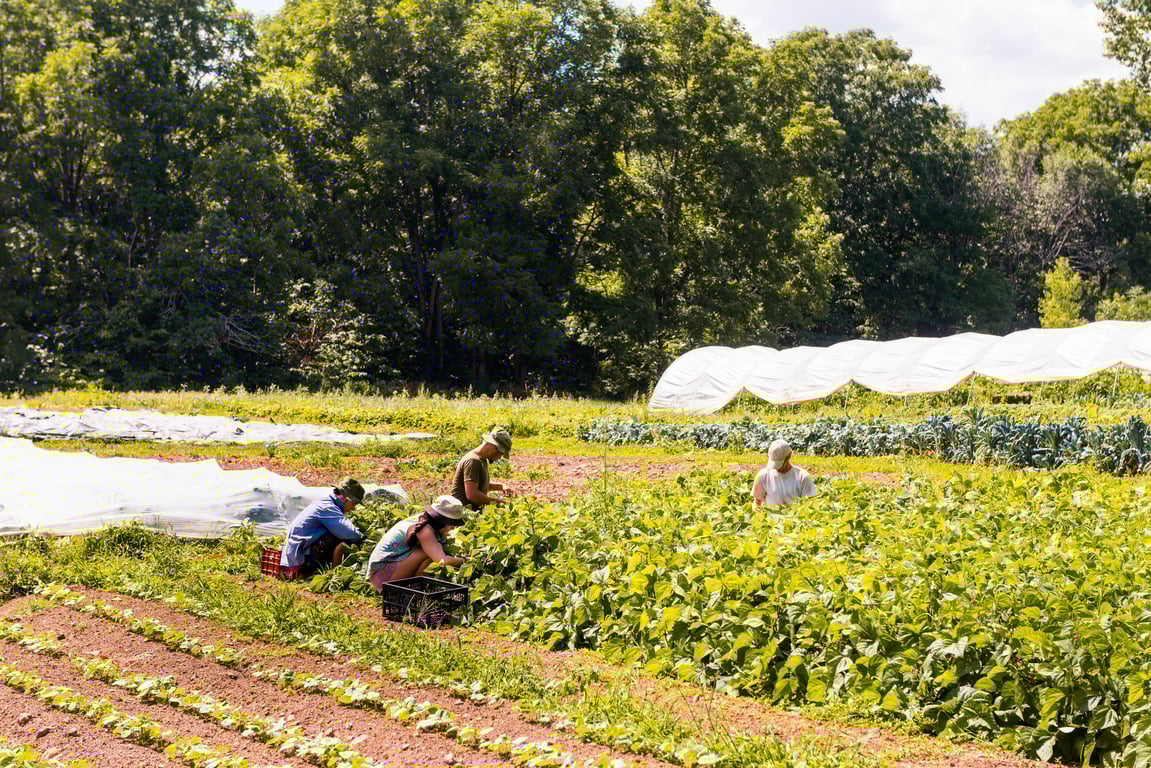
Curious about no-till gardening for your homestead, hobby farm or home garden? A regenerative farmer shares the benefits of a no-till versus low-till approach and how to implement it on your property for healthier soil and greater yields.
Can you really start and maintain a garden without tilling the soil?!
It sounds counterintuitive, or even impossible, but the no-till/low-till approach has become wildly popular among organic gardeners, home growers and regenerative ag enthusiasts.
The potential benefits include a system that can help minimize carbon footprint, sequester carbon by putting it back into the soil and grow nutrient-rich food to promote better health.
That all sounds good in the larger context, but how does that benefit you?
Implementing a no-till or low/minimal tillage system can help you build healthier soil to grow better crops, reduce the amount of effort it takes to cultivate your land and can reduce startup costs by minimizing the need to invest in expensive equipment.
In this article, we will deconstruct no-till farming and gardening (with an emphasis on garden and market garden scale), examine the benefits for growing exceptional food, consider some of the challenges and offer practical ways to implement simple techniques to get you started on the right foot.
So, What is No-Till Gardening?
Almost everyone has been taught to break ground for gardening by tilling the soil. So, why is this a bad thing?
Tillage can be helpful in the short term, but many farmers are adjusting their practices to minimize or eliminate tillage altogether. This motivation has come from observations that, in the long run, excessive tillage can be damaging to soil health.
The damage comes from quickly burning up soil carbon (organic matter), destroying soil structure, damaging beneficial soil microbial populations and killing earthworms (that can work for you), making it more difficult to sustainably grow healthy crops.
Think of it as tearing up the soil ecosystem year after year. Sure, you'll have soft soil to plant in, but it comes at a cost.
As you may have noticed, the definition of "no till" is a bit elusive, with certain practices involving tillage, even though the user claims it is a no-till system.
In general, any system that aims to reduce tillage could be categorized as no-till or, more accurately, low-till.
In my opinion and experience, some tillage can be beneficial in certain circumstances, such as when breaking ground for the first time. But reducing tillage can be extremely beneficial for the soil in the long-term.
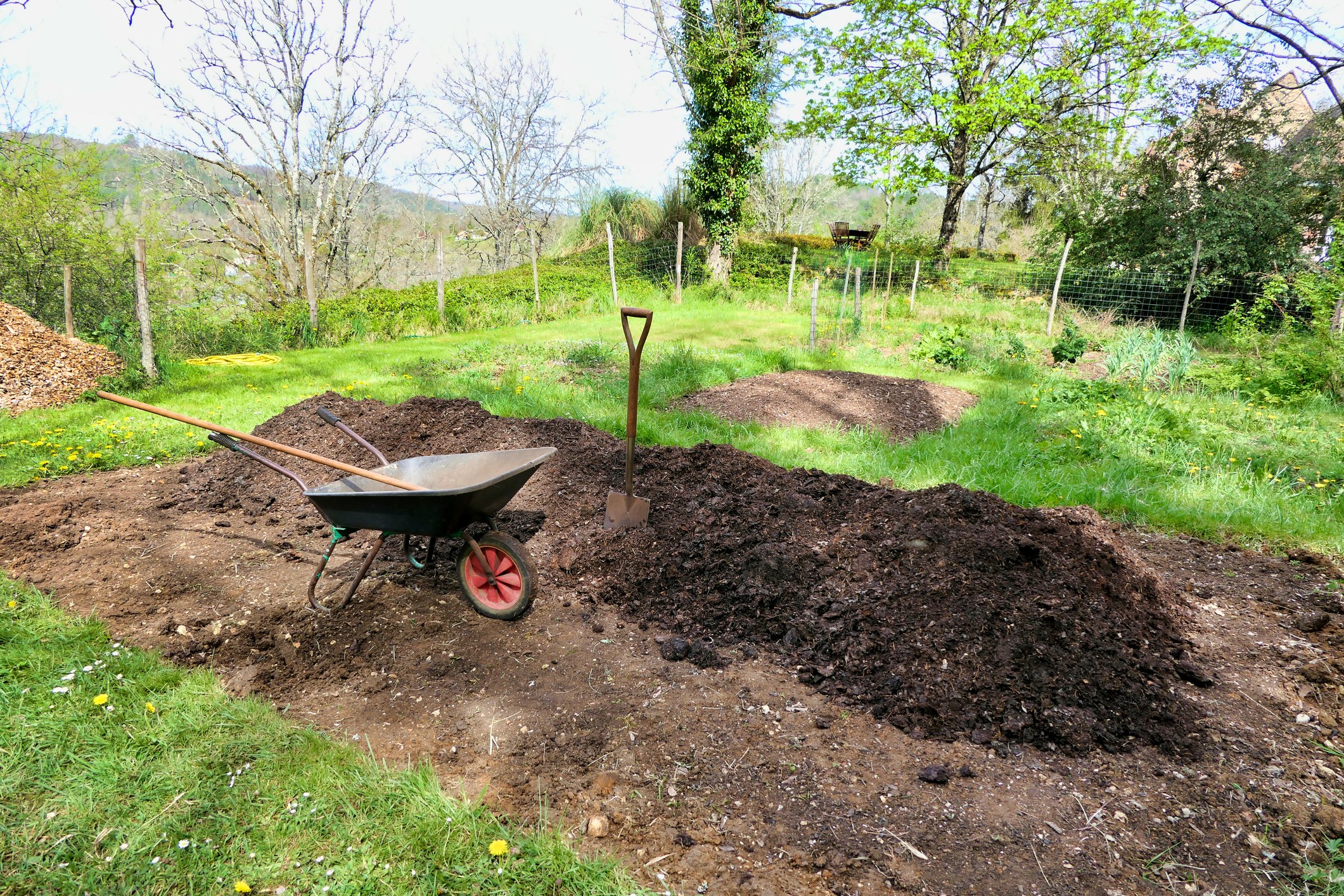
Benefits of No-Till Gardening
If you're deciding whether to go no-till or reduce tillage, it's worth considering the pros and cons of this system. Again, context is key, and everyone’s circumstance is different.
Here are some primary benefits of no-till gardening and farming:
1. Builds and Preserves Soil Organic Matter
Soil organic matter (SOM) is a carbon-based substance that is the foundational building block of natural, healthy soil. It helps build soil structure, assists with water retention, sustains and houses beneficial soil microbes and helps with the cycling and storage of plant nutrients.
Excessive tillage negatively impacts soil organic matter by breaking its structure and rapidly releasing the carbon it stores.
2. Puts carbon in the soil
Incorporating a no-till system not only stops the release of carbon into the soil, but, when used with annual and perennial crops, plants pull that carbon out of the atmosphere and put it back into the soil, where it belongs.
If tillage is reduced or stopped, less soil carbon is released, thus preserving it in the soil and making it available to cultivated plants for healthier crops.
3. Less compaction and erosion
Avoiding or minimizing heavy equipment in your garden beds creates less soil compaction, providing better overall soil aeration.
Erosion is also minimized because higher amounts of SOM (soil organic matter) are better at retaining or “holding on” to nutrients, as well as providing a sponge that can better hold water and release it for crop needs.
4. It can be cheaper to get started on a garden or market garden scale
We will discuss a few practical techniques below, but when working on a small scale, incorporating no-till techniques is an inexpensive way to get into the garden without buying a rototiller or a small tractor.
Just a few key, relatively inexpensive tools can make the transition to no-till gardening easy.
5. Eliminates the use of herbicides for weeds
In conventional agriculture, particularly on large plots of land, herbicides are often used to control weeds in a no-till system.
I advocate that you can reduce and completely eliminate the use of herbicides by implementing a couple simple systems through the use of tarps and shallow cultivation to easily kill weed pressure and deplete the weed seed bank present in all of our soils.
Learn more in: 5 Non-toxic and Natural Weed Killers for Healthier Gardens and Land
Challenges of No-Till Gardening
Although there are many benefits to no-till gardening, it is always good to balance the pros and cons. Here are a few:
1. Potential learning curve and commitment to reduce tillage
Gardening and farming practices of the last few decades have implanted the idea that you have to aggressively work the land to grow crops.
One of the most satisfying things is to get out the rototiller and pulverize your soil to create fluffy, easy-to-plant beds. This desire will have to be tempered if you plan to use this system.
2. Staying on top of weeds
If you don’t use herbicides, one challenge is to stay on top of weeds. The good thing is that we will discuss a simple technique of incorporating tarps that can get you to the point where weeds are no longer a pain to deal with, and no herbicides are necessary.
3. The challenge to keep the soil covered
We haven’t mentioned this yet, but one way to help control weeds is to keep your soil covered. Mulching can be important to this system, although it has its challenges.
For instance, either investing in mulches, such as straw or wood chips, or collecting biomass, such as lawn clippings and leaves, takes work and planning.
Tarps, landscape fabric and cardboard can always be used as more economical alternatives. The great thing about using natural mulches is that, as they decompose, they convert into organic matter that contributes greatly to building soil health.
Lastly, incorporating cover-crops is a great way to keep plants actively growing in the warm weather to build soil organic matter, and in the cold months, keeping the ground covered to prevent erosion and retain the moisture necessary to sustain healthy microbial populations.
Related reading: Cover Crops For Gardens: A Beginner's Guide [Part 1]
4. Establishing growing beds without tilling
If you want to go completely no-till, establishing garden beds can be a back breaking work, but I'll share a nice technique to do this coming up.
Others will choose this time to incorporate tillage to break ground and establish beds, then put away the rototiller for the year or indefinitely.
This is where a low-till rather than no-till system can work, and I believe that if you minimize tillage, you will still gain the benefits of a completely no-till system, only it may take a little longer to build healthy soil.
Tips and Techniques to Get You Started with No-Till Gardening
Next, we will discuss some easy techniques and low-cost tools to get you started.
Please note that the techniques discussed below are more suitable to market garden size of 1 to 2 acres or less. Implementing these techniques on more land can still be done, but the challenges grow exponentially.
Use Black Tarps
This is a cheap and easy way to break ground, eliminate weed pressure and get plants into the ground sooner.
There is a more detailed overview of how to use tarps in any garden system here, but in essence, you cover an area of ground, whether it's covered in grass, cover crops or weeds, with a black tarp. This does two things.
-
First, it creates an environment beneath it that starves existing grass and weeds of sunlight, thus killing them and composting them back into the soil.
-
Second, in an established bed, the tarp creates a warm, moist environment, so any weed seeds in the top few inches of soil will germinate, but then the black tarp blocks sunlight, preventing photosynthesis and killing the germinated weed seedlings.
The key to this working long-term is to avoid tilling beds deeper than 2 inches. If you till the beds deeper than that, you invert the soil and bring weed seeds to the surface and you are back to square one.
If you continue to use tarps to turn over beds year after year, only tilling the first couple of inches of soil, those couple of inches will be practically weed-seed-free and you will not have to constantly battle loads of weeds in your garden.
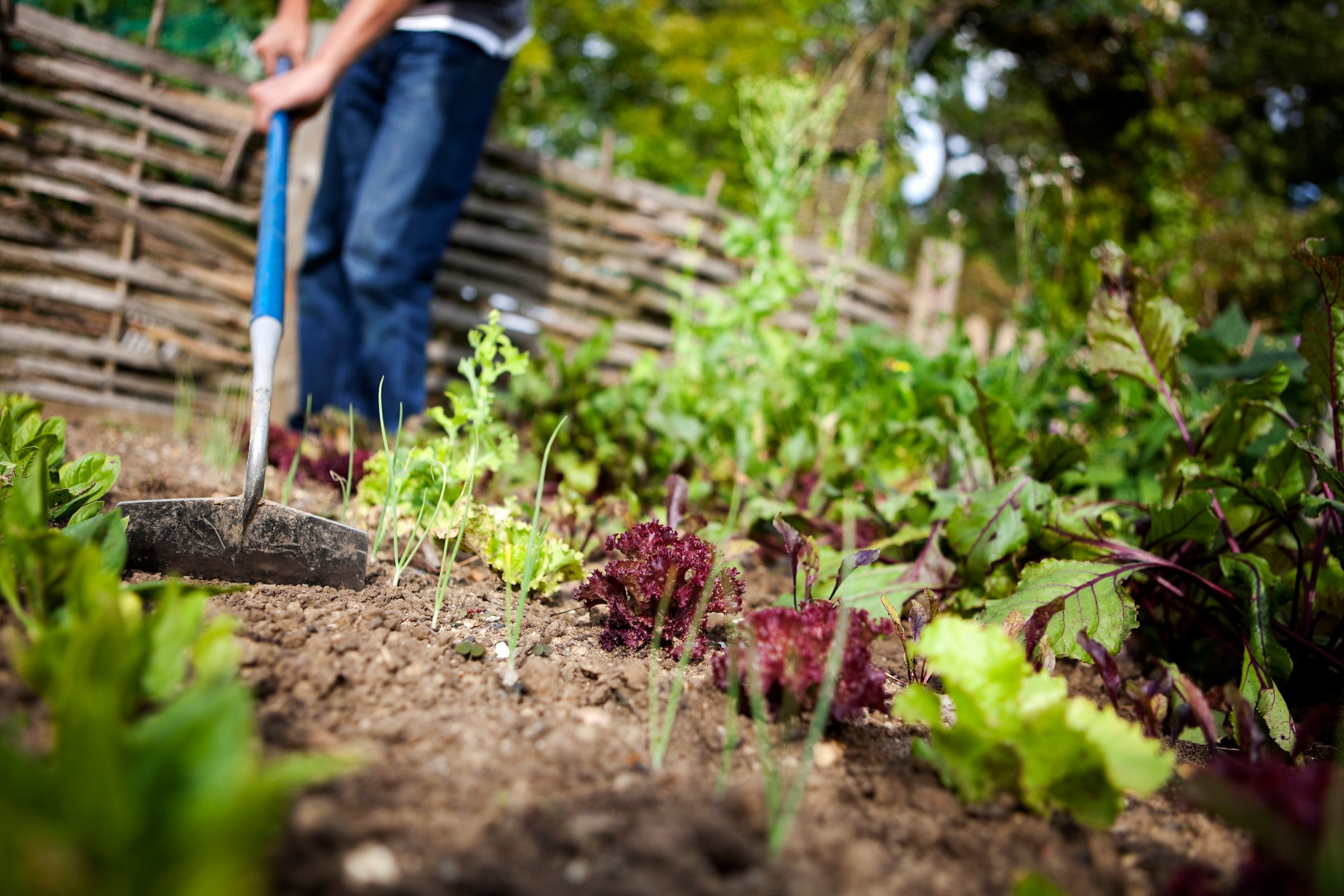
You will probably still need to do some cultivation with a proper garden hoe, but it will be easy work if you get those weeds young, and there will be fewer of them.
The last great thing about using a tarp in this way is that because you aren’t using any heavy equipment, you can get into your beds earlier in the season without the worry of compacting the soil, with a small tractor, for example.
So if you like to transplant more cold/cool hardy crops, for example, and you get an early start using flats indoors under a grow light, you can get those plants in the beds in early spring, no matter if the soil is too wet to till.
Use Mulches
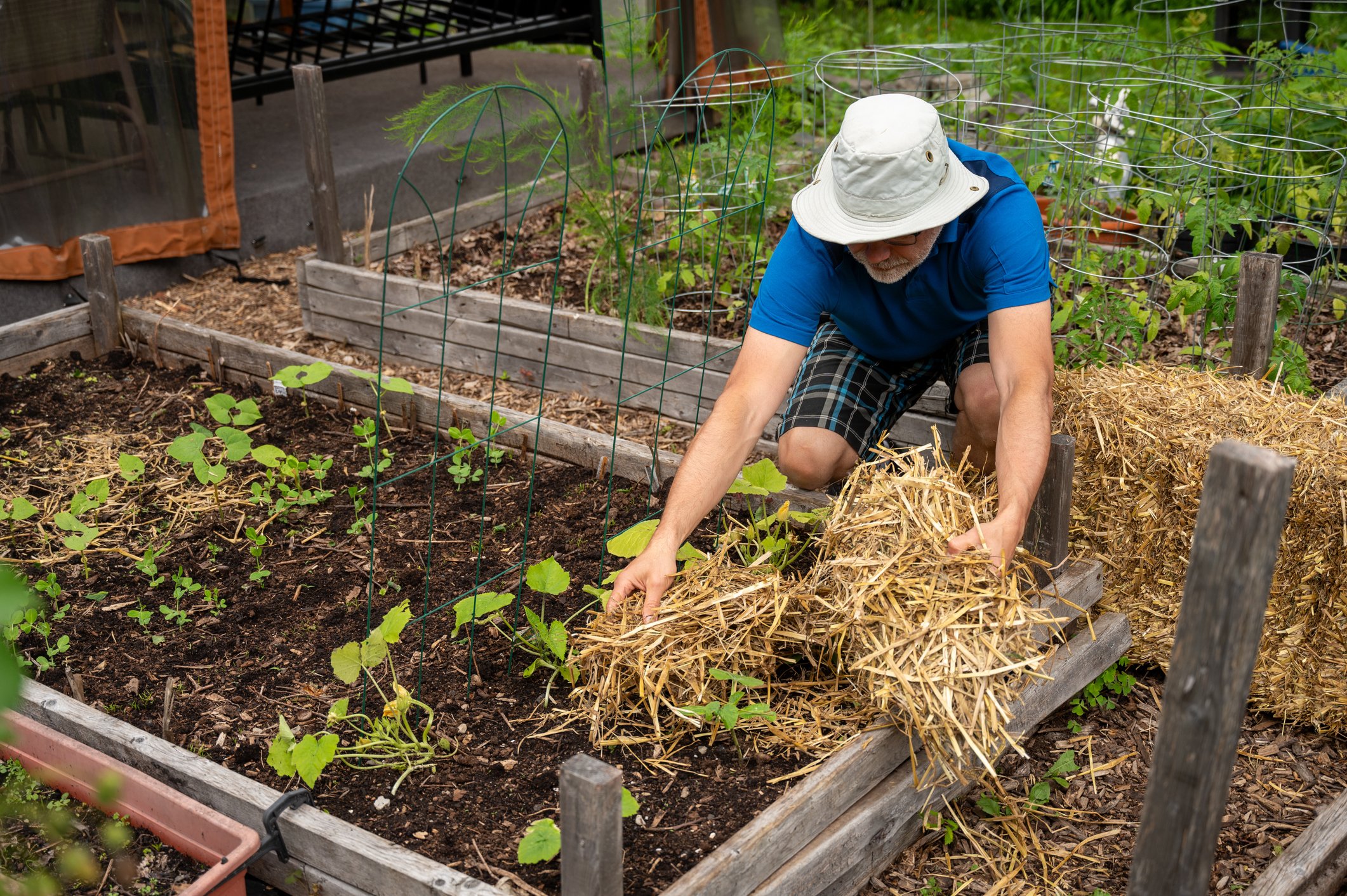
Whether you decide to use plant biomass, like straw or woodchips, or you go the plastic route, using mulch is a great way to retain more soil moisture and help keep your garden more weed-free.
The upside to using natural mulches like straw, woodchips and leaves is that they decompose, adding loads of organic matter to build healthier soil.
The downside is that it is more work to find enough if you have extensive garden plots, and there is more physical work to mulch the beds,s especially at first.
Some people have also successfully used compost as a mulch by adding at least a 2-inch layer to the top without incorporating it into the soil beneath.
Simple Tools to Get You Started
Sillage Traps
I already mentioned using tarps above, but it's important to get the right kind. Make sure it is durable (at least 5 mil thick), UV-treated so it lasts you years down the road and opaque.
Black is best because it warms the soil more quickly and gets you started sooner.
There are many farm and greenhouse equipment stores to find these, but I've found these sillage tarps work perfectly.
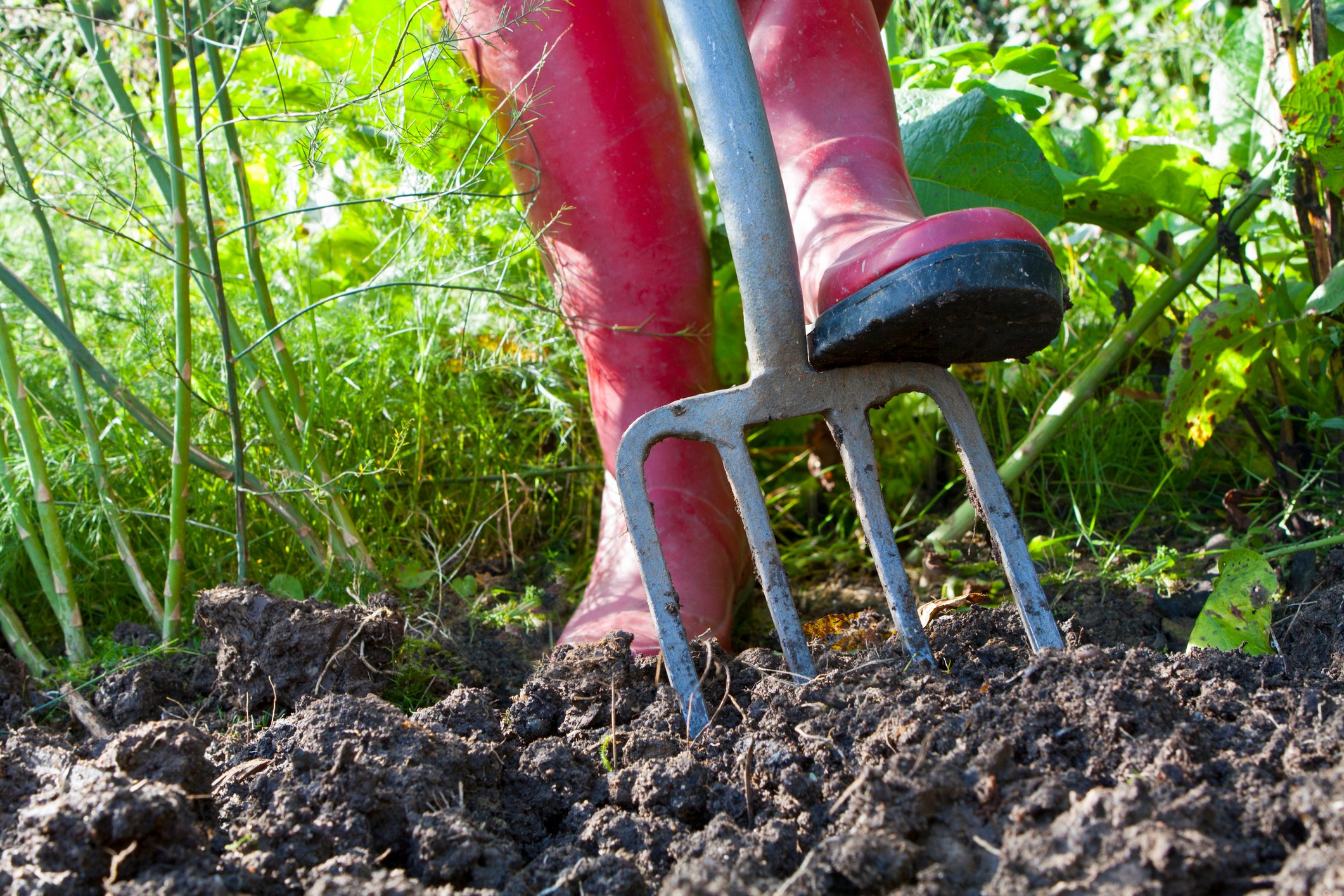
Broadfork (or strong digging fork)
Aeration is one of the main benefits of tilling the soil, allowing plant roots to access the many nutrients surrounding them more easily.
A broadfork allows you to accomplish this with no tilling.
It works by using large tines that are pushed into the soil, then pulled back on the long handles, which “pops” the soil open.
Some argue that you can’t call this true no-till, but the important thing to consider here is that it doesn’t invert the soil, it doesn’t bring weed seeds to the surface, it doesn’t break up healthy soil aggregates and it allows air into the soil that is useful for soil health were microorganisms help build great soil.
Earth Tools (featured in An Introduction to Walk-Behind Tractors for Small Acreage) offers some great choices here, and the staff is wonderful to talk to if you are having trouble picking the right broadfork for your needs.
If you are gardening in a smaller area or don't want to make a larger investment, you can also use a well-made, one-piece steel digging fork. If you get one off the shelf at your big box stores, you are likely to break it within a couple of weeks.
Here is a good example of a strong digging fork.
For a more detailed explanation of broadforks and digging forks, see: Must Have Tools and Accessories for Gardeners
Tilther (very optional, not necessary)
As previously mentioned, using tarps in your gardening system quickly depletes the weed-seed bank in the top few inches. Tilling deeply brings weed seeds to the surface, and should be avoided unless you love spending most of your days battling weeds!
But in a situation where you want to create a nice crumbly garden bed to make it easier for direct seeding, using a tilther, which tills very shallow, is a great option/compromise.
This likely goes against anything a no-till purist would suggest, but I'm not a purist, and it is an effective strategy that can be useful if it fits your context.
Johnny’s Select Seed has a great tilther that is powered by a cordless drill and is very simple to use.
Final Thoughts & Resources on No-Till Gardening
These are just a few things that can get you started with a no-till or low-till gardening system.
With a little bit of effort and a small investment in a few key pieces of equipment, you can be well on your way to eliminating the use of herbicides, creating healthy soil by building organic matter and producing exceptional crops for a healthier life.
Learn more about regenerative gardening practices for your homestead in:
-
How To Start Seeds: Comparing 3 low-Waste Seed Starting Methods
-
How a Soil Scientist Creates a Low-Maintenance Garden in the South

Your email address will not be published. Required fields are marked*