








June
2026
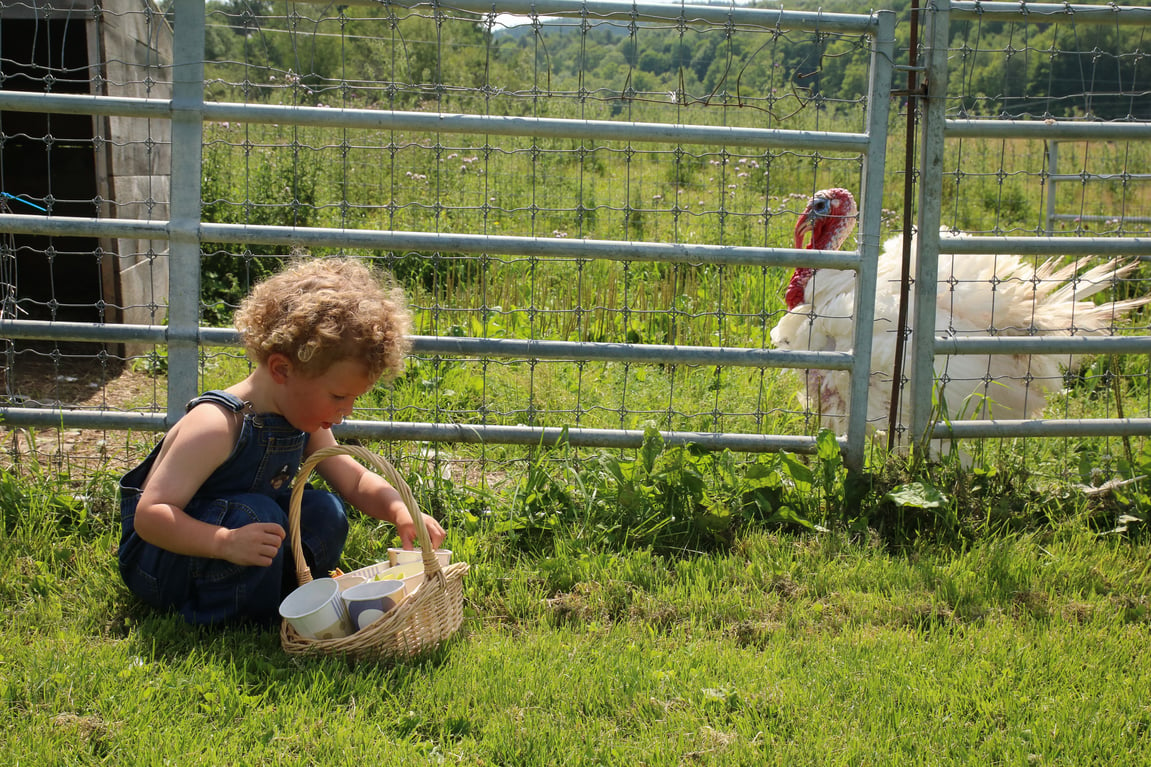
If you’re thinking about adding turkeys to your hobby farm, then you’ve come to the right place! We spoke with Matthew Aversa, the executive director of a farm animal rescue and sanctuary, to learn all of his turkey wisdom.
In June of 2023, Matthew Aversa, executive director of Winding Branch Ranch in Bulverde, Texas, purchased 10 acres of land to live on. At first, the plan was to use the land solely for privacy, but Matthew quickly decided he wanted to raise farm animals.
“We wanted to get some goats and horses as pets, but we couldn’t find a place to adopt them from,” he says. “There are tons of sanctuaries, but they hold animals for the rest of their lives as their forever home.”
That’s when an idea came to Matthew: use the land to create a public, nonprofit farm animal rescue and sanctuary, and call it Winding Branch Ranch.
“I thought, what a great idea to actually bridge the gap between farm animals and adopters,” he adds. “And that’s how we got started almost three years ago.”
Today, Winding Branch Ranch rescues all different types of farm animals — mostly from neglect, abuse or natural disaster. Matthew and his team also collaborate with other rescues around the country to rehome animals into loving forever homes.
To date, they’ve rescued 273 animals and rehomed 172, including several turkeys.
“We’ve rescued quite a few turkeys here,” Matthew says. “We usually rescue turkeys that have been on a farm, and work to get them to their forever homes.”
In this article, we talk with Matthew to share everything you need to know about raising turkeys on a hobby farm.
How to Choose the Right Turkeys for Your Hobby Farm
Turkeys make a great addition to any hobby farm, but it’s important to start with a plan. The first question to ask yourself is whether you’ll be raising turkeys as pets or as a meat source.
“They’re great companions when they want to be,” says Matthew. “They can be friendly, alert and they’re very silly all the time. They’ll chase a moth across the field for like an hour.”
Another consideration is the breed’s hardiness. Some breeds handle heat well, while others thrive in cooler climates. To choose the right breed for your hobby farm, Matthew suggests researching the hardiness of different breed options before bringing any to the homestead.
Knowing all this information will help you choose the turkey breed best suited to your hobby farm.
Related Read: Infographic: The Health Benefits of Eating Wild Turkey
The Best Turkey Breeds for Hobby Farms & Homesteading
Choosing the right turkey breed isn't always easy, especially if you're new at this. Here, Matthew explains the best turkey breeds for homesteaders and hobby farmers to consider.
Bourbon Red Turkey
According to Matthew, the Bourbon Red is one of the most popular homesteading breeds available. They are heat-tolerant and very friendly when well socialized.
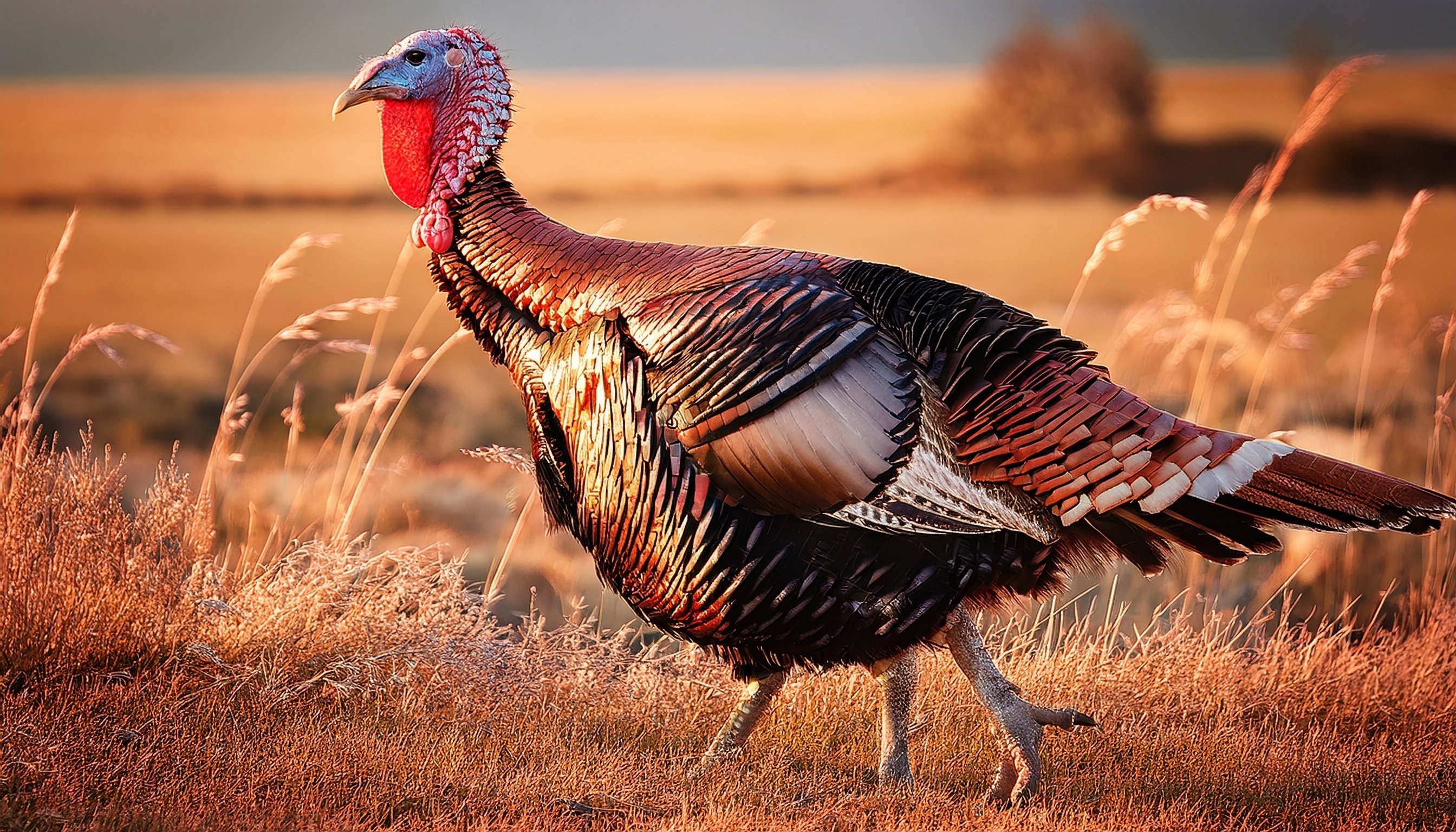
Bourbon Reds are large birds with dark red and brown plumage, with white wings and tail feathers. While they aren’t as broad-breasted as other commercial varieties, the Bourbon Reds do have a “heavy breast” and produce flavorful meat.
With enough room to roam, the Bourbon Red enjoys foraging, which helps cut down on feed costs and keeps them happy.
At maturity, males, or toms, typically weigh between 30 and 33 pounds, while hens weigh about 18 to 20 pounds.
Narragansett Turkey
The Narragansett is an excellent choice for those looking to raise turkeys as pets or meat. This breed is known to be very friendly and calm, especially if they are socialized well at a young age.
The Narragansett’s color consists mostly of black, gray, brown, and white plumage with a colored horn and a red or blueish head. They’re a cold-tolerant breed commonly found throughout the U.S., but mostly in New England.
While they aren’t a popular variety for meat production, the Narragansett still offers hobby farmers a quality meat option. Additionally, the hens are known to have excellent egg production and maternal abilities.
They’re also excellent foragers, happily hunting for insects and worms.
At maturity, toms can weigh up to 28 pounds, while hens reach around 15 pounds.
White Holland Turkey
The White Holland is a rare heritage breed known for its beautiful all-white plumage and red to blueish head. This is another breed that is great for raising as pets or for meat production. if you can find them. Unfortunately, the White Holland is nearly extinct and is often reserved for poultry shows.
Even though the White Holland is smaller than other meat varieties, it matures more quickly and produces flavorful meat.
At maturity, toms can weigh up to 33 pounds, and hens up to 18 pounds.
Other turkey breeds to consider include:
-
Royal Palm (small in size and excellent foragers)
- Broad Breasted White or Bronze Turkey (excellent meat producers)
-
Blue Slate (known for its dark drumstick meat)
Side note: Are you hosting Thanksgiving on your hobby farm this year? Check out these tips on how to host an unforgettable holiday.
How Many Turkeys Should You Get for Your Hobby Farm?
Just like ducks and geese, turkeys are very social animals, so they need other turkey friends around to live a healthy, happy life on the farm. When you’re starting out, plan to adopt at least two to six birds, depending on the amount of space you have.
“They do become bonded pairs,” says Matthew. “Male and female birds will always want to be together.”
To ensure your turkeys are happy and prevent toms from fighting, it’s best to keep a ratio of 1 male to 5 females.
“Toms are a lot like roosters and can become aggressive,” Matthew explains. “If you have too many male turkeys, they’ll fight with each other.”
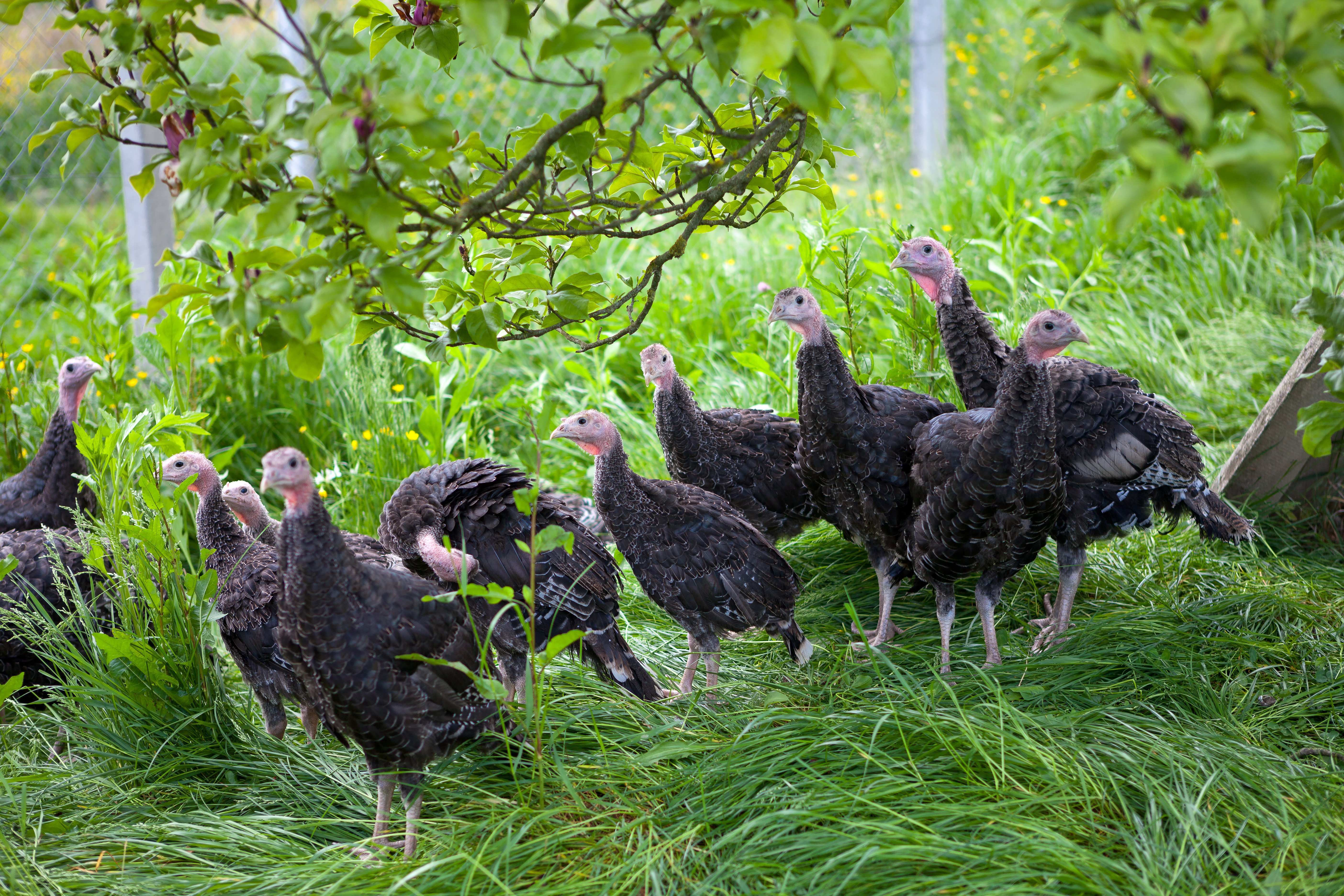
Raising Turkey Poults: A Few Things to Consider
If you’re planning to raise poults, there are a few things to consider.
Setting Up a Brooder for Poults
The first few weeks of life, baby turkeys need a brooder to keep them safe and warm. The setup is similar to that of chicks, but poults do require a few extra things.
A brooder setup should include:
-
A deep tote or box filled with pine shavings for bedding
-
A feeder and waterer
-
Grit
-
A heat lamp or a standing unit to keep them warm
-
Roost bars
Temperature
Temperature needs are similar to those of baby chicks. The general rule is to keep them under 95 degrees Fahrenheit for the first week, then reduce by 5 degrees Fahrenheit each week until they’re fully feathered and can be moved outdoors.
“I always prefer giving any young chicks the option for heat, rather than keeping them directly under a heat lamp,” says Matthew. “You can purchase a standing heat unit where they can go under it if they’re cold, or come out if they don't want any more heat.”
Food and Water Essentials for Poults
Always provide your turkeys with plenty of fresh, clean water and food.
Poults require a higher protein diet to grow and develop properly. Turkey starter feed or game bird feed, available at most feed or farm stores, is recommended.
It’s also a good idea to offer grit to young poults after day two of life. This helps aid in proper digestion.
When Can Poults Move Outdoors?
Because they grow faster than other poultry, turkey poults can move outdoors when they are fully feathered – usually around 6 to 8 weeks of age.
Turkey Enclosures for Creating the Best Shelter and Space
Turkeys are larger than other birds on the farm and need more space to be happy and comfortable.
“You can keep chickens in a covered run to protect them from predators,” says Matthew. “Turkeys really like to roam. They need a lot of space, quite a bit more than your average chickens or ducks.”
Turkey Shelter and Space Requirements
Creating a shelter for turkeys is very similar to building one for chickens. They need a roosting bar and a safe space to protect them from predators. Coyotes and mountain lions are their biggest threat.
“Unlike chickens, turkeys will try to fight predators off a bit more, making them great protectors for your flock,” says Matthew.
Something else to consider is that turkeys may fly off if they don’t have a mate or other companions on the farm. But if you maintain the right male-to-female ratio (1:5), they will stick around.
What Do Turkeys Eat? Feeding Tips for Raising Healthy Birds
Compared to other farmyard birds, turkeys are fairly easy to please when it comes to their diet. All you need is a basic turkey grain feed, plenty of fresh water and access to grass. With enough space to roam, turkeys are great foragers, which can help reduce the amount of feed you’ll need to buy.
The Ideal Diet for Turkeys
After poults are old enough to go outside, the amount of protein they’ll need decreases just a tad. This does depend on what you’re raising them for, however.
If you’re raising turkeys for meat, their diet starts with a high protein content to help them grow faster (28-30%). As they mature, transition them to a grower feed (20-24%), and then a finisher feed (18-20%) just before slaughter.
Related Read: How to Prepare a Wild Turkey for Thanksgiving Dinner
But if you’re raising turkeys as pets, a standard turkey or game bird feed should provide them with the nutrients they need for a long, healthy life.
“Turkeys also love to forage,” explains Matthew. “Having seeds, grass, and insects available to them is great. They enjoy running around, finding what they love — that natural foraging.”
For a well-rounded diet, you should feed your turkeys the following daily:
-
Dry turkey or game bird feed
-
Grit and oyster shells
-
Provide space for foraging – turkeys enjoy eating insects, grasses, and even leaves
Healthy Treats for Turkeys
In addition to their daily diet, turkeys enjoy occasional healthy treats that provide extra nutrition.
Turkeys can enjoy treats, like:
-
Dried soldier fly larvae and mealworms are great for extra protein
-
Berries and apples — just remove any pits and seeds
-
Leafy greens
-
Cucumbers
-
Unsalted seeds and nuts
-
Cracked corn and scratch
Foods to Avoid Feeding Turkeys
Certain foods can harm turkeys and should be avoided.
“We specifically avoid any raw potatoes and raw onions,” says Matthew. “These are especially toxic and can cause some serious health issues in turkeys.”
Foods to avoid feeding turkeys include:
-
Bread, chips and crackers lack nutritional value (empty calories) and can harm your turkeys over time
-
Potatoes and onions
-
Sweet and sugary foods
-
Processed foods
-
Expired or moldy foods
-
Foods considered toxic for turkeys include avocados, peanuts, chocolate, and tomatoes
Keeping Turkeys Healthy & Clean on the Homestead
The best way to ensure your turkeys are healthy and clean is to provide them with a safe, clean and dry environment with plenty of fresh water, food and access to forage.
“Like all the other birds on the farm, turkeys poop a lot,” says Matthew. “To make sure they stay healthy and clean, you gotta get in their coop and clean it out.”
Regularly cleaning their living space is one of the most important ways of ensuring your turkeys thrive on the hobby farm.
Common Turkey Health Issues to Watch For
Just like other poultry, turkeys are susceptible to various health issues that homesteaders need to watch out for.
Parasites
“Parasites and bugs like mites, fleas, ticks and even ants can get to them,” Matthew explains. “So I do recommend doing regular fecal checks on all animals, just to make sure that there’s no worms or any parasites in them.”
To naturally support and deworm your turkeys, Matthew recommends offering them pumpkin seeds, apple cider vinegar and over-the-counter dewormers.
“We will also do a little topical dose of ivermectin for all birds on the farm once or twice a year,” he adds.
Foot Issues
Conditions like bumblefoot, a painful bacterial infection on the foot, are common in turkeys, too.
“Some homesteaders buy those cheap chicken coops for their turkeys, but the little roosting bar inside is too small,” says Matthew. “When the birds have to bend and curl their feet too much, that’s when they end up with foot problems.”
To avoid this, Matthew and his team offer turkeys larger roosting bars, like two-by-fours, so that they’re comfortable and can balance well at night.
Pro tip: To keep their roosting bars clean, sand the boards every few months. This will remove droppings and prevent infections or other foot issues.
What to Look For
Turkeys do show signs of distress and sickness, but Matthew says you really have to keep an eye on your flock to understand what that looks like.
“You have to interact with your birds every day in order to tell if something is off,” he says. “If they aren’t well, turkeys will start walking a little slower, or their head will be slumped into their body. They will move differently. If you know your flock, you will know something is wrong.”
*Note: This article is for informational purposes only and is not a substitute for professional veterinary advice, diagnosis or treatment. Always consult a qualified veterinarian if you have any concerns about your turkey’s health or behavior.
How to Tell Your Turkeys Are Happy and Thriving
Happy, healthy and thriving turkeys are calm, friendly, active, and vocal.
“The only way you’re going to know if your turkeys are happy and thriving is if you spend time with them,” says Matthew. “The more love you give them, the more they’ll provide for you.”
Regular socializing with them prevents aggressive behavior, especially from toms. Building trust takes daily interaction.
“It’s a commitment. It’s a responsibility, and you have to consider all of the moving pieces,” he concludes.
For more tips and advice on raising animals on your hobby farm, be sure to check out:

Your email address will not be published. Required fields are marked*