










July
2026
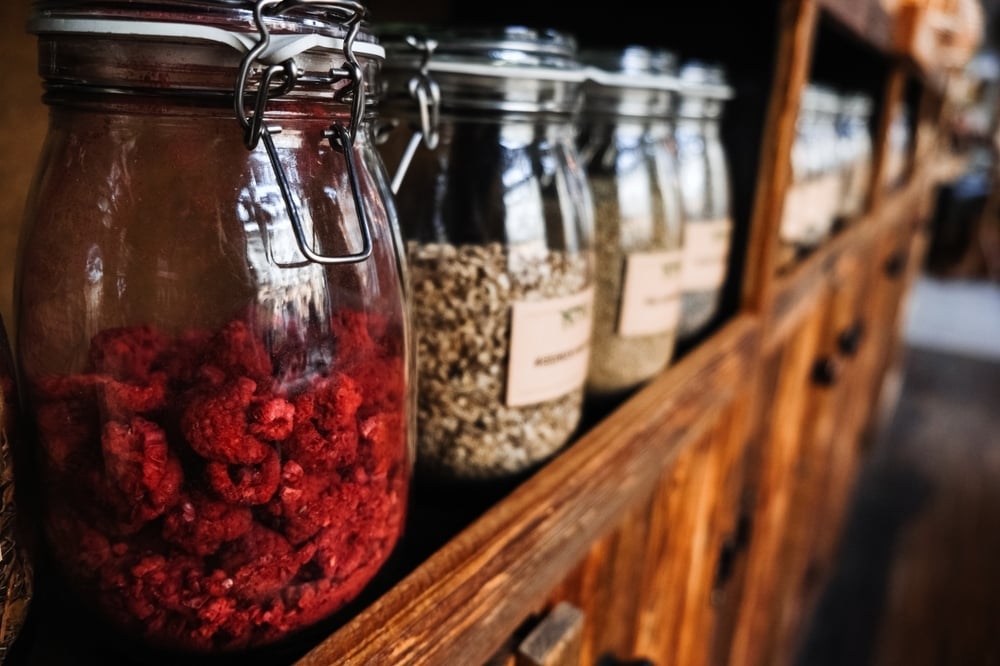
Drying garden produce is one of the easiest and most efficient ways to preserve the harvest. But, which is better: a freeze dryer or food dehydrator? This article explores the pros and cons of each so you can make the best choice for your country garden.
Anyone on the modern homesteading scene is likely familiar with food dehydrators and freeze-dryers for preserving fruits, veggies and foraged foods like mushrooms, as well as proteins.
However, not everyone understands the differences between the two (beyond price), or why you would consider investing in an expensive freeze dryer when you could just dehydrate the old-fashioned way.
Ultimately, the best choice comes down to your preservation needs and goals, as well as your budget.
Not sure which one you need? Then keep reading as we compare the features, benefits, pros and cons of freeze-dryers versus dehydrators so you can make the best choice for preserving your harvest.
What Is Freeze Drying & How Does It Work?
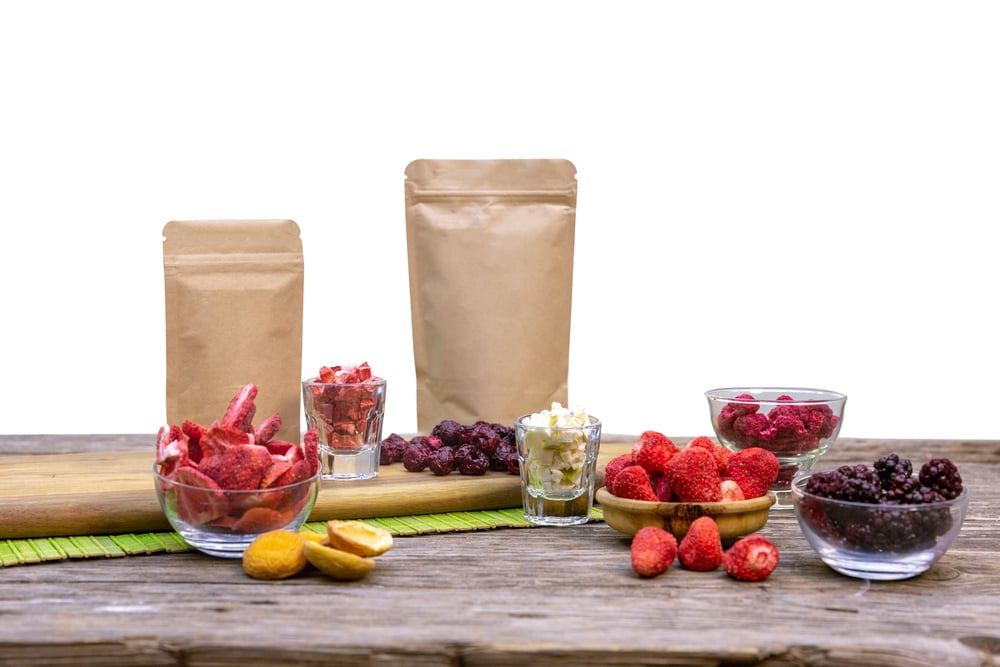
Freeze drying, also known as lyophilization, is a pretty darn cool process that uses a miniature oven-like device to freeze and then dehydrate food under vacuum at low temperatures.
This method allows the water in the food to transform from a solid to a gas without turning into a liquid.
The process consists of three separate, unique, and interdependent processes: freezing, primary drying (sublimation), and secondary drying (desorption).
Freeze drying is considered the best method of food dehydration because freezing inhibits bacterial growth, resulting in an extremely long shelf-life (up to 25 years), while the low-heat drying process preserves nutrients, texture and flavor.
This is why freeze-drying is widely used in the food and pharmaceutical industries.
Unlike food dehydration, which can be achieved with a machine or a DIY method, freeze drying requires a professional freeze-drying machine.
What Types Of Foods Work Best For Freeze Drying?
Nearly any type of food that contains water can be freeze-dried, including:
· Fruits
· Berries
· Vegetables of all sorts
· Meats
· Fish
· Seafood
· Poultry
· Eggs
· Cooked grains
· Cooked beans and legumes
· Purees
· Frozen meals
· Beverages, including milk
· Yogurt or kefir
· Sweeteners, like maple syrup or honey
· Herbs like basil, oregano, rosemary, dill, thyme, etc.
You can also freeze-dry entire meals, making it a big time-saver for large families and batch cookers.
Benefits of Freeze Drying
The two biggest benefits of freeze drying are:
- How it produces food with a shelf life of up to 25 years,
- And the time savings versus canning.
This makes it an excellent food preservation option for serious food preservationists, preppers or anyone interested in making their own long-lasting freeze-dried meals and snacks.
Freeze-dryers also require minimal skills and are relatively easy to use, provided you can follow instructions. Just load up the tray, and follow the prompts on the screen.
Freeze-dried foods are also easy to rehydrate and enjoy, and create a really tasty, garden-fresh flavor with added sugar, salt, or preservatives.
Drawbacks of Freeze Drying
The main drawback of freeze drying is the upfront cost.
Unlike water bath canners or food dehydrators, freeze dryers do not come cheap, with smaller units starting at around $1700 and larger units up to $5000 or more.
If you plan to preserve a lot of food, have a large budget, or can split the cost with a group of friends, this may not be a drawback; for most people, though, it’s a significant investment.
Freeze drying also takes longer than food dehydration, about 24-36 hours for most foods versus approximately 6-8 hours for dehydration.
Freeze-dryers are also large, even the small models. They also require defrosting after use, so you need enough space for drainage, which requires a hose and bucket.
Finally, freeze-dryers use up a lot of electricity, which is something to keep in mind for anyone living off-grid or with limited electrical resources.
A Freeze Dryer May Be Best For You If…
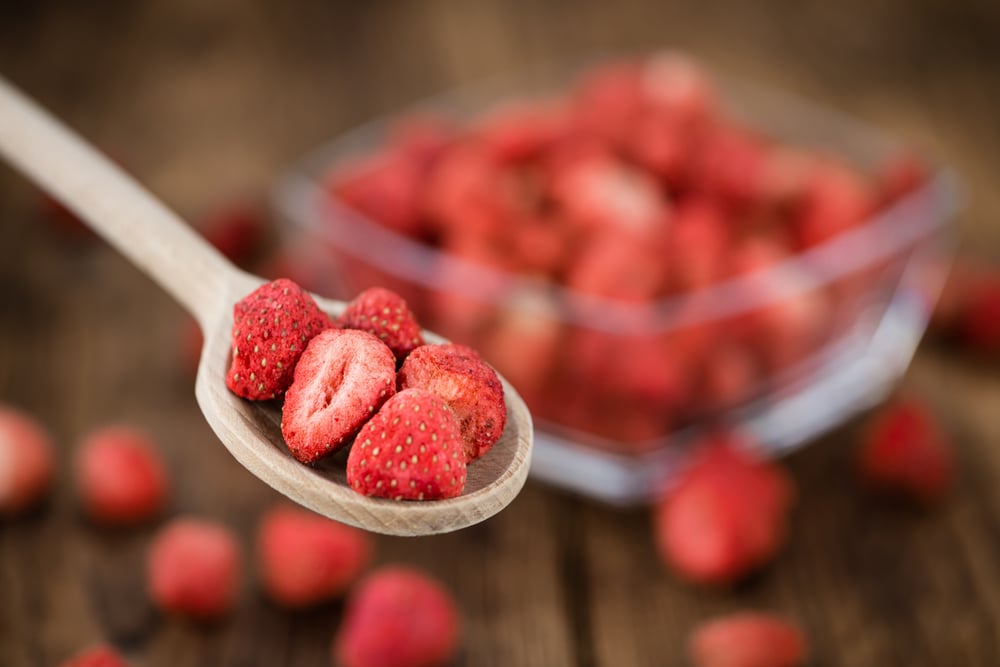
A freeze dryer may work best for you if:
- You have a large budget
- You have a lot of food to preserve
- You wish to preserve your food for longer than 3-5 years
- You want to create your own freeze-dried meals for long-term storage
- You’re a prepper
- You can split the cost with friends
- You don’t like canning
- You prefer the flavor and texture of freeze-dried foods
- You have enough space for a freeze dryer
- You have a farm, homesteading, or food business that would benefit from the use of a freeze dryer
- You want multiple options for preserving food
Related reading: 7 Easy Ways to Preserve Food (No Canning Required)
What Is Food Dehydration & How Does It Work?
Food dehydration is arguably the oldest method of food preservation, dating back thousands of years.
The principle is simple: water-containing foods are dried for several hours using direct, dry, circulated heat to remove moisture, creating a dehydrated shelf-stable product that can be eaten as-is or rehydrated.
This can be achieved using the sun (think sundried tomatoes) or a commercial or at-home food dehydrator. Some foods, like herbs, can even be dried in your kitchen by simply being left out.
Most homesteaders and gardeners use electric stacked home food dehydrators, while others may make DIY or semi-DIY versions, such as using screens and fans or building a small drying shed for larger-scale operations.
What Types of Foods Work Best For Dehydrating?
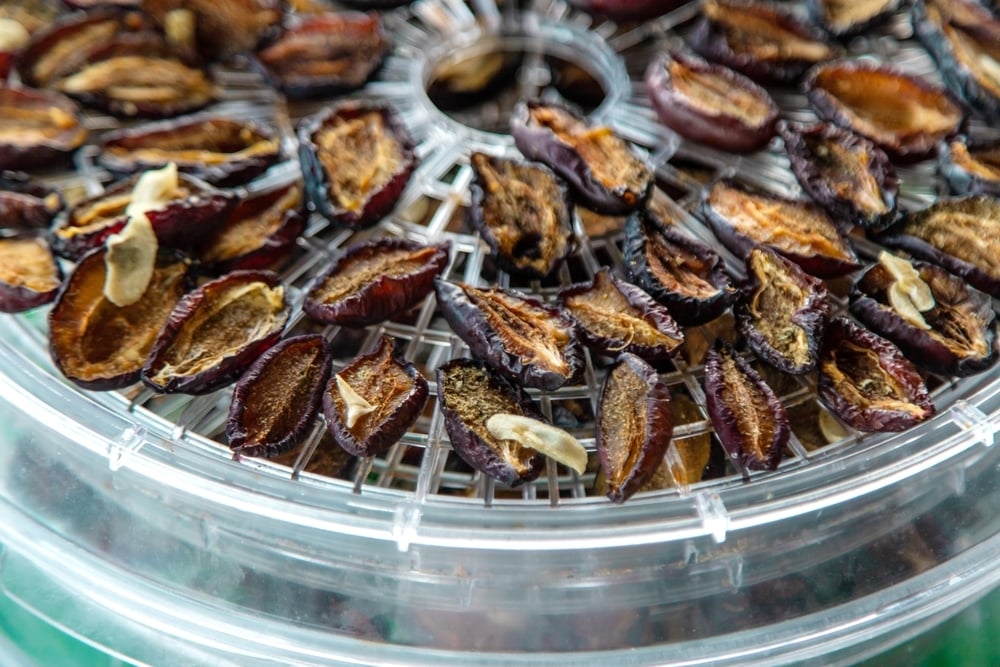
Almost any water-containing food can be dehydrated, making it a versatile method of food preservation.
Examples include:
- Fruits
- Berries
- Vegetables
- Lean meats (jerky is dried ground and seasoned meat)
- Purees or jams for fruit leather
- Yogurt (little dollops make yummy yogurt bites)
- Sauces, which can be dried and then powdered
- Herbs
- Syrups and honey (drying prevents crystallization)
Foods that cannot or should not be dehydrated, due to a high risk of food poisoning and the fact that fatty foods don’t dehydrate or keep well, include:
- Avocados
- Fatty meats
- Nuts
- Dairy products (except yogurt)
- Nut butters
- Beverages
- Olives
Dehydrated foods can last 3-5 years when stored properly.
Related reading: Tips for Making Deer (Venison) Jerky
Benefits of Food Dehydrators
Food dehydrators have many benefits, the biggest being:
- They’re extremely easy to use
- They can preserve food for up to 5 years
- They’re affordable and easy to find used
- They can be used for a wide variety of foods
- When used correctly, they can preserve food for 3-5 years
- They generally last a long time
- They’re customizable in size. When you need more space, just stack on another tray
- You can make DIY food dehydrators using your oven or a ventilated, heated indoor or outdoor space. However, a steady heat must be maintained for safety.
Drawbacks of Food Dehydration
Food dehydration is, arguably, the original food preservation method, and it’s stood the test of time.
However, there are some drawbacks compared to freeze drying, including:
- Dehydrated foods have a shorter shelf life than freeze-dried foods
- You have limited space
- Dehydrated foods are more prone to spoilage
- Food dehydrators are noisy and produce a good amount of heat
- Not everyone likes the taste of dehydrated foods, which don’t retain their texture like freeze-dried foods
- Dehydrated foods may contain fewer nutrients than freeze-dried foods, due to the higher heat used for dehydrating
A Food Dehydrator May Be Best For You If…
If you’re looking for a fast and affordable way to preserve a home garden’s worth of fruits, vegetables and herbs and make your own jerky, then a food dehydrator is a no-brainer.
Even if you have a very large garden, dehydrators can be stacked high or DIYed to suit larger projects.
Freeze Dryer versus Dehydrator: Which Is Right For Your Homestead?
The right food preservation system for your homestead ultimately depends on your budget, needs, goals and objectives.
If you have a big budget, plan on starting a food business, are committed to prepping for long-term food storage and/or have a community to pool funds, then a freeze dryer can be an excellent investment, and fun to use!
For most people, however, a food dehydrator is the most accessible and affordable choice.
Many homesteaders also incorporate other food preservation methods, like canning and lactofermentation.
Related reading: 7 Ways To Preserve Food (no canning required)
Freeze Dryer Vs. Dehydrator FAQs
We’ve covered a lot, but there’s always more to dig into and recap.
Q: Do You Need Both a Freeze Dryer and a Dehydrator?
A: No, you don’t need both unless you want to or need to preserve food for 25+ years, in which case you’d need a freeze dryer.
That said, many homesteaders or committed food preservationists appreciate having both for variety and efficiency, so it depends on your needs and goals.
Q: How Much Does a Food Dehydrator Cost?
A: Food dehydrators are very affordable, and cost only $35-$80.00 for a simple model. Add-on trays are also inexpensive and can often be found used on Facebook Marketplace or at thrift stores.
Q: What are the best food dehydrators for home use?
A: There are many excellent options available. In our homestead, we’ve used a basic stackable Nesco dehydrator for years, including to dry medicinal herbs from our herb farm.
We’ve stacked these 20-30 trays high, and they perform beautifully and are super cost-effective.
Other reputable brands include Presto, Casari, and Excalibur, which are good for larger batches.
You can also buy inexpensive hanging food dehydrators for herbs, which are basically mesh baskets you can hang from the ceiling.
We’ve also used these to dry herbs, adding a box fan to ensure circulation, but I wouldn’t recommend them for more dense, water-rich crops.
Note: Since they run on a motor, food dehydrators are noisy, and some brands are louder than others. Be sure to read reviews.
They also produce heat while drying, which can make the room they’re drying in hotter. These are all things to consider when setting up a drying area. We like setting ours up in the basement or sunroom.
Q: How Much Does a Freeze Dryer Cost?
A: Home freeze-dryers start at around $1700 for small models, and can run up to over $5000 for larger models.
If you’re diligent, you can find them used for a much better price via Marketplace or other thrift or consignment stores.
Q: What is the best freeze dryer for home use?
A: The majority of homesteader influencers promote the Harvest Right and Stay Fresh home freeze-dryers.
Personally, I don’t own a freeze dryer as we already have a shed-sized food dehydrator for our herb business, in addition to the Nesco towers!
However, my homesteading friends who freeze-dry use the Harvest Right brand and love it.
Note: Like food dehydrators, freeze dryers are noisy, like the sound of a vacuum cleaner or an older dishwasher, so plan your space accordingly.
You can get a better feel for the noise level by looking up YouTube videos.
Q: What size freeze dryer is best for a homestead or hobby farm?
It’s usually best to get a larger model than you think you’ll need, especially if you plan on producing more food (fruits, veggies, meats) in the future.
It may cost a little more up front, but it’s a lot less than upgrading to a larger model a year or two from now.


Your email address will not be published. Required fields are marked*