










April
2026
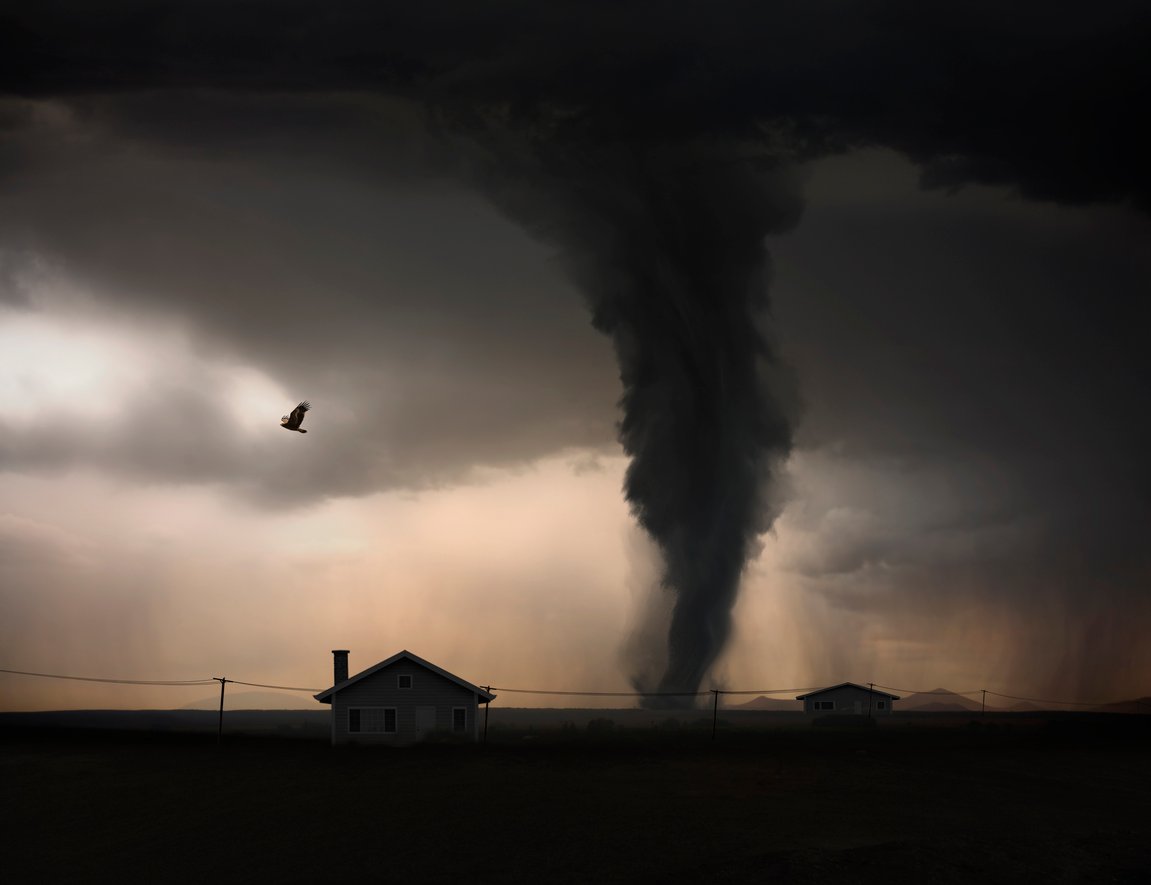
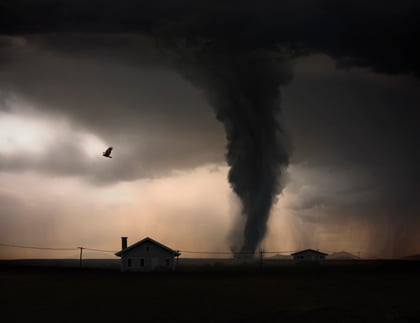
Tornadic activity has increased across several southern states, making preparedness essential for landowners. Get tips and advice from a seasoned Kentucky landowner on how to prepare for a tornado and keep your family, livestock and land as safe as possible.
The warming days of a Southern Spring can bring with them severe storms and tornadoes for several months.
With the collision of heated and humid air from the Gulf of Mexico and lingering dry cold fronts from the Rockies and Canada, supercell thunderstorms can develop quickly and even create rarer outbreaks of tornadoes within a wide geographic area.
While the estimated 1,200 tornadoes a year in the United States can form in any month with the right conditions, meteorological spring, from March 1 to May 31, is the prime time for tornado activity, especially in our southern states.
Measured by wind speed after the fact—from an EF1 to an EF5 on the Enhanced Fujita Scale—tornadoes are still largely unpredictable, although warning and radar systems have vastly improved since the scale was developed in the early 1970s by Dr. Theodore Fujita.
With their ferocity and haphazard nature, tornadoes are among the most dangerous weather events. [Read here for more details from the National Weather Service on the difference between a tornado watch vs. warning.]
There is also a recent consensus among weather experts that the traditional “Tornado Alley” in the Great Plains is shifting further east into the southern states, particularly the Ohio Valley, Kentucky, Tennessee, and some Gulf states.
Because of this new reality, many rural homeowners in the South are not adequately prepared for tornadoes.
This article offers information and suggestions for how to best prepare for this fascinating force of nature.
Understanding Tornado Risks in Rural Areas
Tornadoes can strike anywhere, but rural areas are particularly vulnerable. Open landscapes allow tornadoes to gain strength and speed without obstruction, increasing their destructive potential.
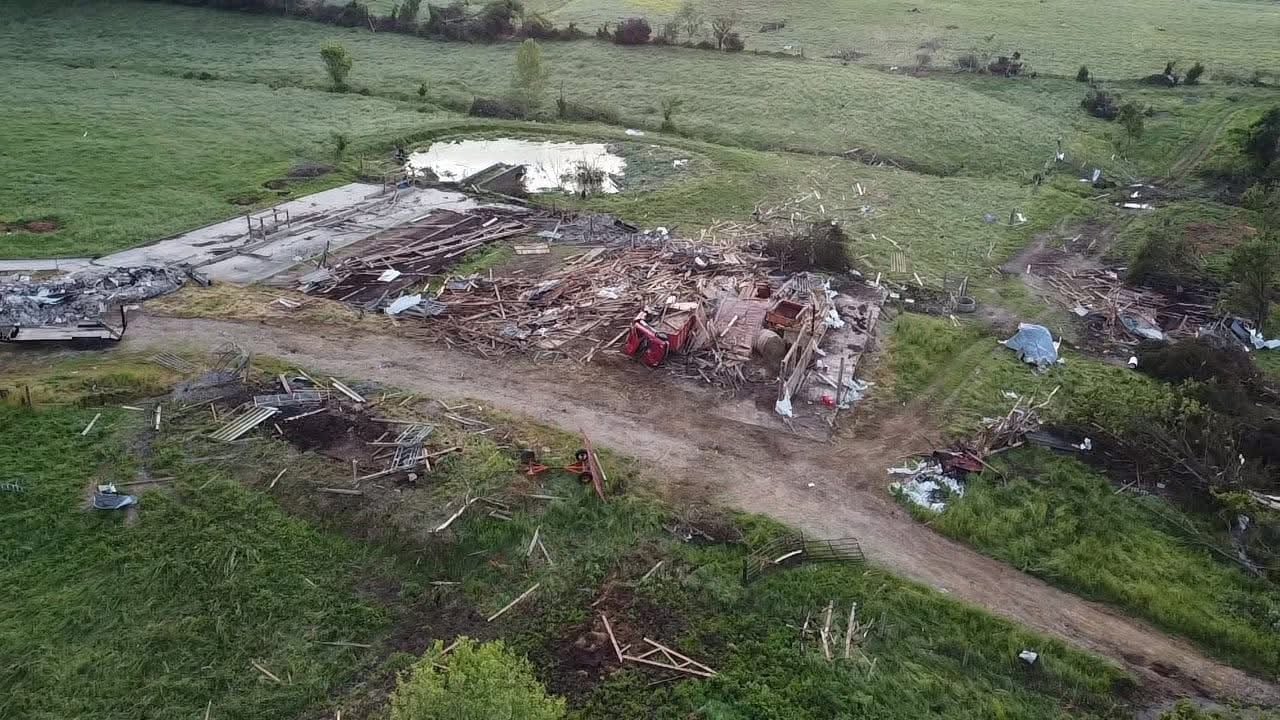
Rural homes and farmsteads are often farther from emergency services, meaning help may take longer to arrive. Additionally, many rural properties include multiple structures—barns, silos, sheds and homes—that require protection.
Developing a Tornado Preparedness Plan
A well-thought-out plan is essential for tornado preparedness. Rural homeowners should consider their property layout, family needs and livestock or agricultural assets. Assign roles, such as gathering emergency supplies or securing animals, to streamline response efforts.
Start by identifying a safe shelter location. The ideal spot is a basement or storm shelter below ground, away from windows.
Many rural homes lack basements, so consider installing a FEMA-approved safe room or underground shelter near the house. These structures are designed to withstand extreme winds and flying debris. Make certain that the shelter is easily accessible, even at night, and practice reaching it quickly.
If a shelter isn’t feasible, choose an interior room on the lowest floor, such as a bathroom or closet, with sturdy walls and no exterior windows.
Before the Storm
While it’s impractical to make every structure tornado-proof, prioritize key assets.
Anchor smaller sheds to concrete foundations to prevent them from becoming airborne. For barns housing livestock, make sure doors are sturdy and lockable.
Other recommendations for tornado preparation:
- Clear your property of potential hazards. Propane tanks and gas grills should be anchored to prevent them from becoming projectiles.
- Trim dead trees or overhanging branches that could fall during high winds.
- Secure loose items such as lawn furniture, tools or feed troughs, as they can become deadly projectiles.
- Store hazardous materials, such as pesticides or fuel, in a locked, anchored shed to prevent spills or explosions.
- Regularly maintain fences and gates to ensure they can withstand strong winds or guide livestock to safety.
- Wells and septic systems should be inspected each year to avoid contamination or damage during a storm.
Emergency Supplies and Self-Sufficiency
Rural isolation means you may need to survive without power, water or outside help for days after a tornado— or any major storm, for that matter.
Stock a tornado emergency kit in your shelter with enough supplies for at least three days.
Include non-perishable food, bottled water (one gallon per person per day), a first-aid kit, flashlights, batteries, blankets and clothing. Add a multi-tool, duct tape and a fire extinguisher for post-storm repairs. Also include items like a manual can opener, hygiene products and medications, as pharmacies may be inaccessible.
Power outages are common in rural areas, so you may want to invest in a portable generator and store fuel safely.
A solar-powered phone charger or battery pack enables communication when cell towers are not operational. Keep cash on hand, as ATMs and card readers may not work. Make sure you have tools for clearing debris, such as chainsaws, shovels and gloves, to restore access to roads or buildings.
Protecting Livestock
If possible, before severe weather is expected, move animals to a sturdy, enclosed shelter. If you have a small herd, avoid leaving livestock in open pastures, as they’re vulnerable to flying debris or collapsing fences.
After a tornado, document livestock (and any crop losses) with photos for insurance claims and contact your local USDA office for disaster assistance programs.
During Tornado Weather
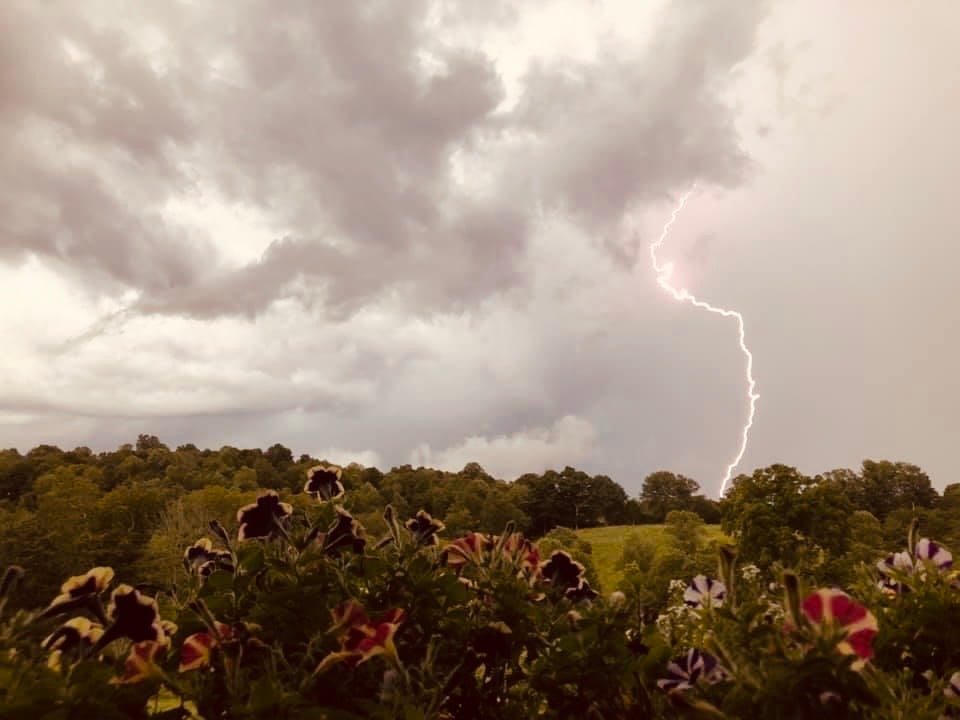
Watch and Listen. Familiarize yourself with tornado warning signs: a rotating, funnel-shaped cloud, a loud roar like a freight train or debris swirling in the air.
If there is even the possibility of a nighttime tornado warning, consider sleeping in your shelter or basement. If you have neither, be prepared to hunker down in an interior room, a secure stairwell (with two enclosed walls) or in a shower or bathroom area.
Reinforce this space with mattresses, heavy furniture or plywood to shield against debris. Even a walk-out cellar will help protect you if it is built partly into a hillside.
If you are on good terms with any country neighbors who might have a cellar, ask if you might seek refuge with them.
Post-Tornado Recovery
After a tornado, safety remains the priority, but here are steps to take after the storm:
- Stay in your shelter until authorities confirm it’s safe to emerge.
- Check for injuries and administer first aid.
- Avoid downed power lines, gas leaks or unstable structures.
- Use your emergency kit to sustain your household while assessing damage.
- Document property damage with photos for insurance claims and contact your provider promptly.
- Rural residents may qualify for Federal or state disaster relief, so check with FEMA (depending on Federal funding) or local agencies.
- Clear debris carefully, wearing protective gear to avoid injury.
- Prioritize restoring access to roads and critical infrastructure like water pumps or generators.
- For farmsteads, check on livestock and repair fences to prevent escapes.
- Reach out to neighbors or community groups for mutual aid, as rural areas often rely on collective support during recovery.
NOTE
As I was putting the final touches on this article on March 4, I received a tornado warning alert on my phone.
While it was a planned test, it also happened to coincide with a tornado warning issued (falsely) by several weather forecasters who didn’t get the memo that it was a statewide test day for a tornado drill in Kentucky.
Every rural community or county generally has a tornado drill scheduled during the spring, so check with your local authorities and make sure your cell phone or landline can receive text alerts.
For further information on storm-prepping in the rural South, you’ll want to read our upcoming Q&A profile of a Kentucky weather watcher!
Looking For More Information On Rural Preparedness and Prepping?
Check out the following articles:
-
Wilderness First Aid Resources for Rural Life and Outdoor Adventures
- What Insurance Do You Need For Raw Land?



Your email address will not be published. Required fields are marked*